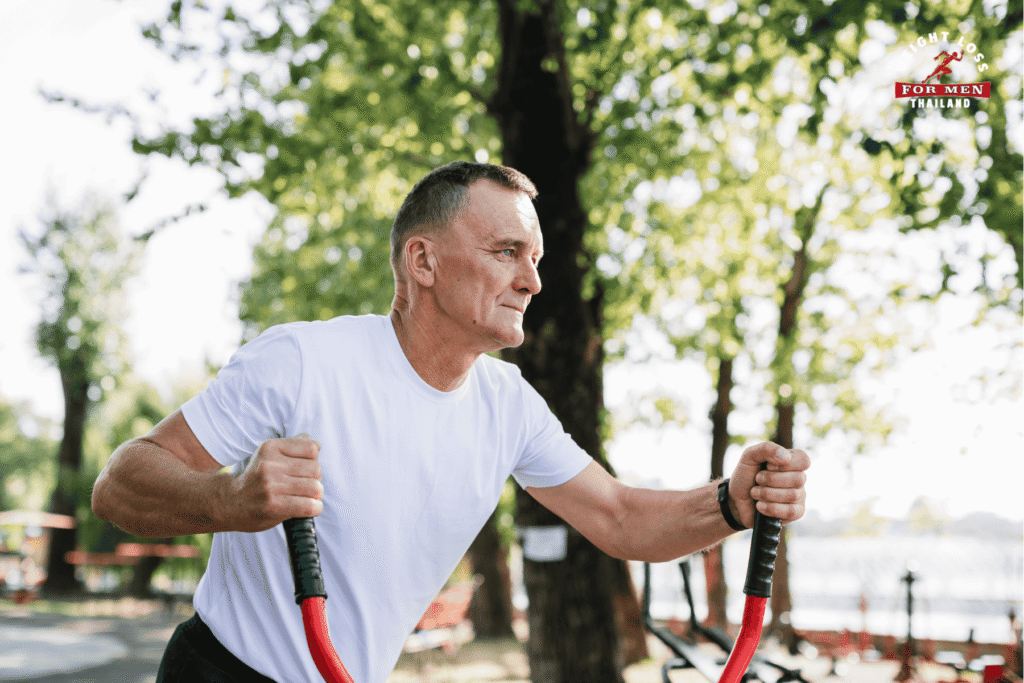
Something changes in your 40s and 50s. The workouts that used to work stop working. The diet that used to keep you lean barely holds the line. You have not necessarily changed anything, but your body has, and that gap between what used to work and what works now is where most men get stuck.
If you are wondering why weight loss for men over 40 feels like a different game than it used to be, you are not imagining it. Here is what is actually going on, and what a weight loss plan for men over 40 needs to look like to get real results.
Why Weight Loss Gets Harder After 40 and 50
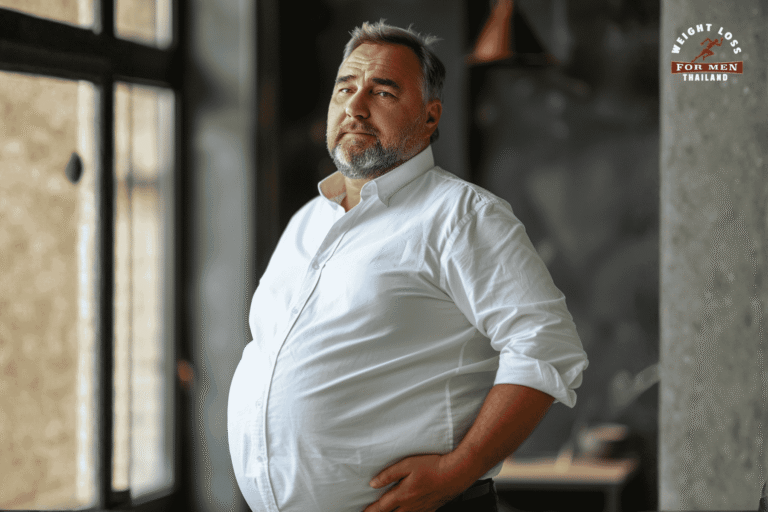
A few things shift at once during this stage of life, and they compound on each other.
- Muscle mass declines naturally with age, so you burn fewer calories at rest even if your diet has not changed
- Recovery slows down, so the intense training that worked at 30 now leaves you sore for a week or aggravates an old injury
- Sleep quality tends to drop
- Stress from work and family responsibility often peaks during these decades
- Hormone levels shift in ways that make your body better at storing fat and worse at burning it
None of these on their own would be a big deal. Together, they explain why is it so hard to lose weight after 50 in a way that “eat less, move more” alone cannot fix. The approach that worked in your 20s and 30s needs adjusting, not abandoning.
What Age Does Metabolism Really Slow Down for Men
Metabolism does not fall off a cliff on a particular birthday. For many men, weight becomes harder to manage in midlife because daily activity, sleep, recovery, muscle mass, work demands, and eating habits can all change at the same time.
So, what age does metabolism slow down for men? There is no single answer. Age can affect body composition and energy needs, but it is rarely the only explanation for gradual weight gain. The useful question is not whether your body is “broken” after 40, but which habits and health factors have shifted enough to require a different approach.
Belly Fat After 40: Why It Shows Up and Why It's Stubborn

Belly fat men over 40 deal with is not always about eating more than they used to. Daily movement, sleep, stress, muscle mass, and changes in routine can all affect how easy it is to maintain a healthy weight and waist size.
A few things commonly happen at this age:
- You may be moving less each day without realizing it
- Muscle loss can make training and regular activity feel harder
- Poor sleep and stress can affect energy, appetite, and food choices
- Body fat may become more noticeable around the waist
This is why a stomach can seem to grow even when the rest of your routine feels much the same. Sit-ups can strengthen your core, but they will not remove fat from one area on their own. Belly fat exercises are most useful when they form part of a wider routine that includes regular activity, strength work, and consistent eating habits.
A Note on Hormones
Hormones can affect body composition and energy levels, but weight gain alone does not indicate low testosterone. Symptoms such as reduced libido, fatigue, loss of muscle mass, or changes in mood can have several possible causes, including health concerns that may overlap with obesity and erectile dysfunction.
A diagnosis of testosterone deficiency requires both relevant symptoms and consistently low testosterone results from appropriate blood testing. Men with ongoing symptoms should discuss them with a qualified clinician.
What Actually Works at This Age
A weight loss plan for men over 40 has to account for a slower metabolism and less recovery capacity than a plan built for someone twenty years younger. That does not put the goal out of reach. It just means the method has to be right.
Strength training over pure cardio
Preserving and rebuilding muscle is one of the most effective ways to push back against age related metabolic slowdown. This does not mean heavy lifting from day one. It means consistent, well-structured resistance work introduced at a pace your joints and recovery can actually handle.
Real food over restriction
Crash diets and extreme cuts tend to backfire at this age, often speeding up muscle loss rather than fat loss, which makes the underlying problem worse. A sustainable plan is built on consistent, real food at a moderate deficit, not extremes.
Recovery as part of the plan
Sleep and stress management have a direct effect on how your body handles weight at this age. Focus only on diet and training and you are leaving a real piece of the puzzle on the table.
Patience with the process
How to lose weight after 50 is usually less about training harder and more about following a routine you can maintain. Results often take time, so consistency over months matters more than short periods of extreme dieting or exercise. For men wondering how to lose weight at 50, male health, fitness level, mobility, sleep, and daily routine all need to be considered.
These weight loss tips for men over 50 also apply to men in their 40s. The basics remain the same: eat in a way you can maintain, stay active, include strength training, and give the process time to work. Weight loss after 50, male or female, is more sustainable when the plan fits everyday life.
When Structured Support Can Be Useful
Knowing what to do and maintaining it consistently are different challenges. Some men prefer to make changes independently, while others find that regular guidance, a planned routine, and accountability make it easier to follow through over time.
A structured program may be useful for men who want help adjusting exercise, meals, and daily habits around their current fitness level, mobility, schedule, and health history. Anyone managing high blood pressure, diabetes, joint pain, or another ongoing health condition should discuss new exercise or weight-loss plans with an appropriately qualified health professional.
People searching for the best weight loss program for men over 40 may want to compare how programs assess a participant’s starting point, adapt activity to individual capacity, address nutrition, and support habits after the program ends. A structured setting is one option, not a requirement for successful weight management.
At Weight Loss For Men Thailand, the residential program is designed around guided exercise, nutrition education, and individualized coaching in Chiang Mai. Activity is introduced progressively, with the aim of helping participants build routines they can continue after returning home.
FAQs
Can I lose weight after 50 without intense workouts?
Yes. A consistent routine that includes regular movement, strength training, sustainable eating habits and enough recovery is usually more useful than short periods of extreme exercise.
Will sit-ups get rid of belly fat?
Sit-ups can strengthen the core, but they do not remove fat from the stomach on their own. Changes in waist size come from overall eating habits, activity levels and time.
Should I get my testosterone checked if I am gaining weight?
Weight gain alone does not confirm low testosterone. If it comes with ongoing symptoms such as fatigue, reduced libido, low mood or loss of muscle mass, speak with a qualified clinician about whether testing is appropriate.
Do I need a structured program to lose weight?
Not necessarily. Some men make progress independently, while others find that guidance, accountability and a planned routine make it easier to stay consistent. The right option depends on your health, lifestyle and preferences.